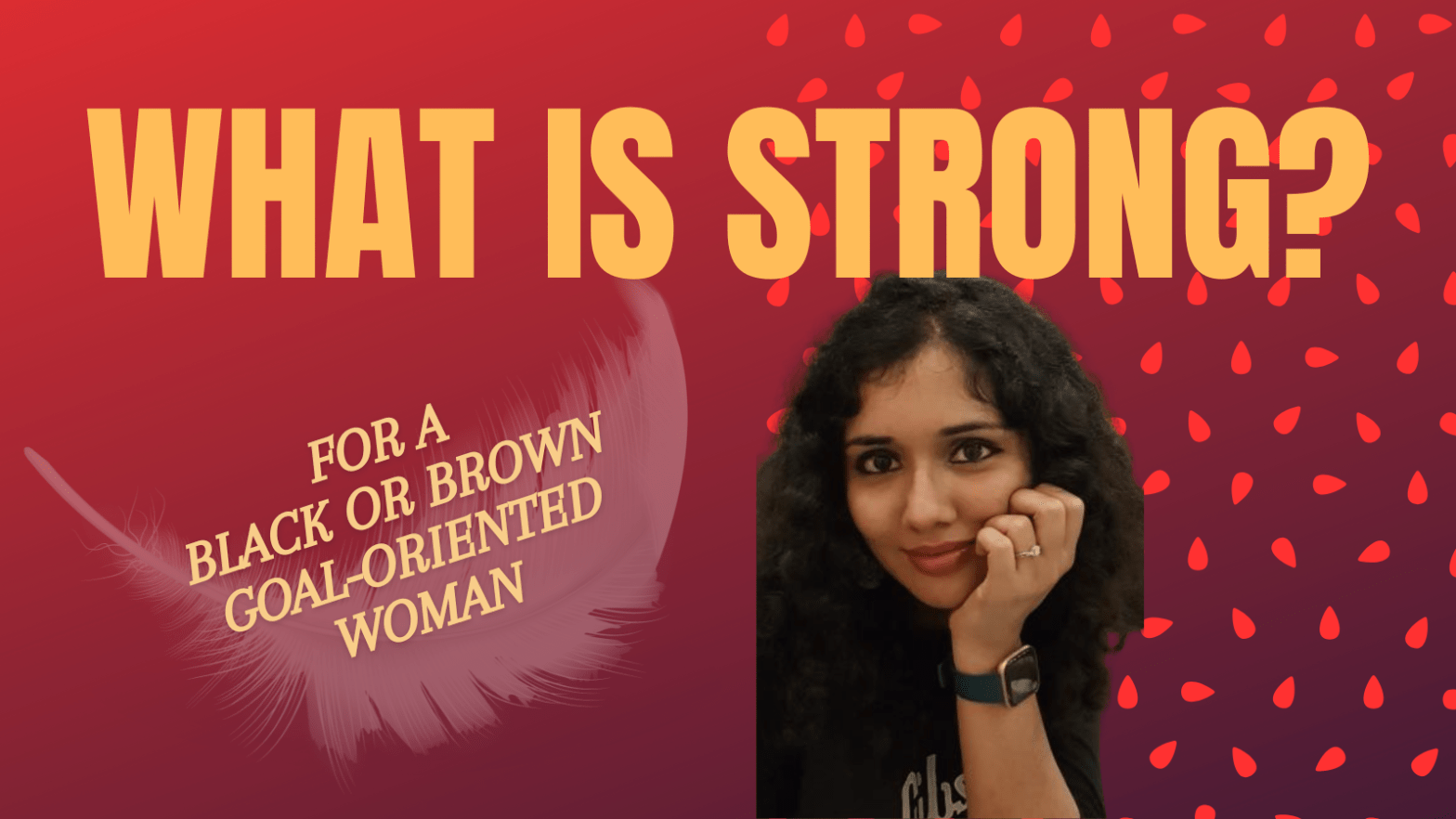
Plant Your Seeds of Transformation Season 4 Episode 5: How Do You Define Strong As A Woman of Color? Coach Donna Marie interviewed our guest Deya B. She shared her journey through trauma recovery while pursuing her goals as a neurodivergent professional writer who has roots within East Indian culture.
The Plant Your Seeds of Transformation Podcast is Produced by Lead Like A Queen Coaching and Consulting, LLC, and Hosted by Coach Donna Marie. If you’d like to donate to support the show, please click here.
When you hear “Strong Black Woman” what images come up for you? I think of Superwoman or Wonder Woman, but I know that expecting this from myself is unrealistic. I may be strong, and I may get some things right sometimes, but I am not perfect… and I no longer strive to be perfect all of the time, either. So, at this point in my journey, the phrase “strong black woman”, is a little triggering for me because I feel that it symbolizes the toxic perfectionism that I am now staying away from so that I can be healthier and happier.
WATCH OR LISTEN VIA YOUTUBE, SPOTIFY, OR YOUR FAVORITE PODCAST APP
Episode 5 of Season 4 features our guest Deya B. This professional writer has been noticed by the leaders at Medium who invited her to speak at their annual Medium Day virtual conference for writers. She was amazing, and Coach Donna Marie knew she would be a great fit to speak to similar topics that we’re already covering here on The Plant Your Seeds of Transformation podcast. Listen to hear our guest Deya as she shares her journey through trauma recovery while pursuing her goals as a professional writer who is neurodivergent.
Key Takeaways and Notes:
- Perfectionism can be a cultural expectation and create unhealthy pressure based on unrealistic expectations
- Trauma can sometimes be hard to identify, and when you do not even know it’s a problem for you, it makes it so much harder to get help.
- Black and Brown women leaders who are goal-oriented often get bad advice from successful peers who do not have to deal with similar life realities like taking care of children, caregiving for a loved one, or the cultural expectations/pressures of their family and/or community.
- Journaling can be a great way to process your thoughts, even if you’re not a professional writer, and can help you recognize signs of trauma so you can ask for help.
- JOURNAL PROMPT:
- What habits, beliefs, or traditions have you let go of or think you may need to let go of for better mental health as you pursue your life goals or career goals?
- What goals have been interrupted by trauma or crisis that you want to pursue again? How can you approach them differently, instead of giving up on pursuing them?
- What life dreams have you journaled about in the past that you may want to start looking at again and/or what new dreams do you want to write down now?
- How do you define strength within your own life, and what do you need so you can get stronger in your strengths?
Contemporary life almost anywhere in the world is full of things that make us compare ourselves to others, especially those of us who engage with social media. Unfortunately, some comparisons call people with special needs and trauma survivors weak or weaker, but you do not have to accept that. You can learn how to define strength for yourself. If you choose to work on the suggested journal prompts, contact me and share your insights or feedback about the prompts.
JOIN OUR PATREON COMMUNITY
If you’d like to join our community on Patreon, you’ll also have access to a private podcast where we’ll dig deeper into these topics and help each other keep growing and going after our dreams.

 Plant Your Seeds of Transformation